AI is no longer knocking on the door of education; it’s already inside the classroom. The question is: how do we keep humanity at the heart of learning?
In early November, I had the privilege of attending and presenting at EduTech Asia in Singapore. The event was a vibrant showcase of innovation, but one reality was impossible to ignore: artificial intelligence (AI) is transforming education at speed. From personalised learning pathways to automated administrative tasks, AI is not just a concept, it’s shaping the future of teaching and learning.
Across multiple sessions, speakers demonstrated how AI can adapt content, automate tasks, and create personalised learning experiences. Exhibitors unveiled AI assistants for teachers, students, and administrators, promising to streamline workflows for staff and enhance engagement for students. Many platforms now blend generative AI with pedagogy, using data analytics to anticipate student needs and tailor learning to individual interests and abilities.
A few examples that stood out:
- FE Tech – A UK-based marketplace helping educators worldwide discover, compare, and implement EdTech and AI tools that drive inclusion and digital confidence.
- MeraTutor.AI – A next-generation AI tutor that adapts to every learner’s pace, simplifies complex concepts, and empowers parents with real-time insights.
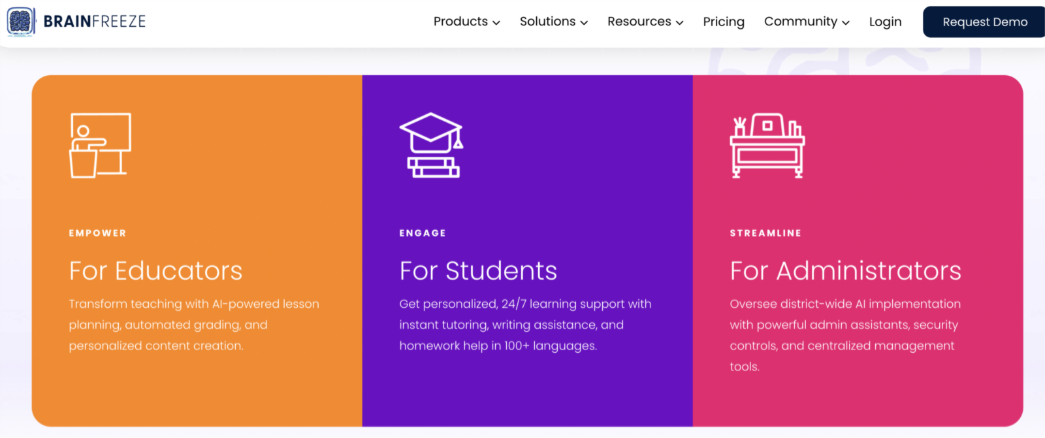
- BrainFreeze offered…
Importantly, throughout the conference and with the exhibitors, there was a strong emphasis on ethical and practical implementation. Conversations centred on how AI should complement, not replace, teachers, enhancing rather than diminishing the human experience of learning.
One enduring question I continue to grapple with is the future of leader, teacher and support roles in education. For instance, will we increasingly rely on third-party providers offering platforms that, as one vendor claimed, “do the work for teachers”? Or should we invest in developing internal expertise, techno-pedagogists, who act as coaches and mentors, guiding teachers to adapt, change, unlearn, and relearn their craft by utilising AI as a true assistant to accelerate the work of planning, preparing and delivering personalised and differentiated work for students?
This raises further questions such as, ‘Will the traditional roles responsible for leading learning and managing curriculum remain the same or similar? Do we need additional roles, or entirely new ones? If so, what should these roles look like? What responsibilities would they carry, particularly in leading the integration of AI to personalise and learning?
Equally important is the impact on pastoral care. How will these middle and senior leadership role evolve, change and update if AI can predict a student’s mindset, mood, or emotional state through real-time analysis of data such as attendance, punctuality, work completion, and wellbeing surveys?
Based on what I observed and discussed last week, this is no longer a question of if but when new roles will emerge to harness the power and pace of AI.
The Human Question
The conference opened with Atima Joshi, Executive Principal and Head of Pedagogy at Eton House International Group, posing powerful questions: Are we being replaced by AI? Will AI take our jobs? What does it mean to be human? Atima reminded us that cognition, once our greatest superpower, remains vital, but in an age of instant access to information, knowledge alone is no longer king.
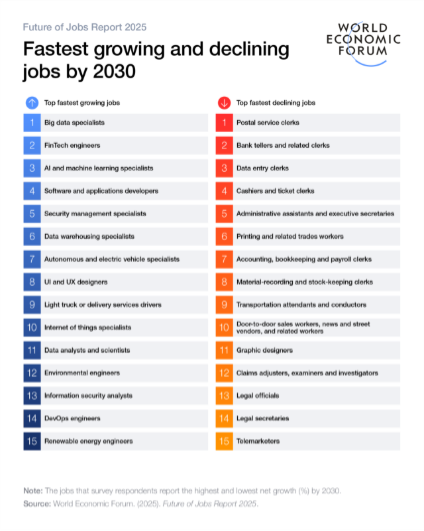
Later, Eddie Ang from Lenovo issued a stark warning: “The people who know AI will be replacing those who don’t.” This echoed recent WEC 2030 jobs outlook data, underscoring the urgency for students to master AI and other advanced technologies.
Yet, amidst this technological surge, Professor Pasi Sahlberg offered a sobering reminder: The economic purpose of education must never outweigh its human purpose. He urged educators to prioritise student agency, asking: “What do young people want to know?” This question challenges traditional approaches that dictate what students must know, rather than inviting them into authentic learning.
Chevalier College: Balancing Rigour and Humanity
At Chevalier, we honour curriculum requirements across eight disciplines, and we also create space for students to explore who they are and what they can do. With a mantra of ‘HSC and capabilities’, ‘ATAR and complex competencies’ we deliver our SIM (Strengths, Interests and Motivations) course; a unique (but not the only) opportunity for students to connect with their human side. Beyond SIM, we offer rich extra-curricular programmes and assess Year 7 students against the University of Melbourne’s New Metrics capabilities, ensuring academic rigour is balanced with personal growth. Most importantly, we educate in the MSC way, a way characterised by kindness, compassion, and respectful relationships. As Professor Sahlberg noted, “Relationships will determine how well students use AI.”
Guiding Change, Not Resisting It
As adults, our role is not to resist change but to guide it responsibly. We must empower students to adopt AI ethically and inspire them to harness its potential to solve real-world problems. The more technology we embrace, we must counter-balance this with nurturing the foundational capabilities that define us and differentiate us from AI. The University of Melbourne’s New Metrics Program identifies these complex competencies as essential for thriving in a future shaped by AI:
- Agency in Learning – Autonomy and self-direction.
- Acting Ethically – Actions grounded in ethics.
- Active Citizenship – Positive contributions to community.
- Collaboration – Working towards shared goals.
- Communication – Respectful exchange of ideas.
- Quality Thinking – Critical thought for a better world.
- Personal Development – Understanding oneself as a spiritual, physical, and emotional being.
These are not mere educational ideals, they are human capabilities our young people at Chevalier need to live lives of contentment and fulfilment.
In conclusion, EduTech Asia affirmed what we at Chevalier College hold dear: the future belongs to ‘heart-centred, future-facing’ students, who become young adults equipped not only with technological fluency but with the human qualities that sustain and enrich life.
Onwards and Upwards
Greg
A reflection for the reader… How do you see AI reshaping education in your context? What strategies are you using to keep humanity at the centre of learning? Share your thoughts, I’d love to hear your perspective.
#EduTechAsia #ArtificialIntelligence #FutureOfLearning #PersonalisedLearning #EducationLeadership #StudentAgency #HumanCentredLearning #ChevalierCollege #MSCValues #NewMetrics
 LEARN AND LEAD